Ferrous vs Non-Ferrous: A Simple Guide to Scrap Metal Recycling
Knowing the difference between ferrous and non-ferrous metals can make your scrap metal recycling experience faster and more rewarding. Whether you are clearing out a commercial site or dropping off old materials at a Fyshwick yard, understanding metal types helps you sort smarter and get fair returns.
What Is the Difference Between Ferrous and Non-Ferrous Metals?
Ferrous metals contain iron; non-ferrous metals do not. That single distinction shapes how each material is processed, valued, and recycled. Ferrous metals are the most common type found on worksites across Canberra and ACT, and include steel beams, cast iron pipes, and sheet metal. Non-ferrous metals such as copper, aluminium, brass, and lead are generally rarer and tend to carry stronger recycling value due to their properties and manufacturing demand.
The Fyshwick yard regularly sees both categories, from heavy structural steel to copper wiring and aluminium off-cuts from trade work.
How Do You Tell Ferrous and Non-Ferrous Metals Apart?
A simple fridge magnet is your best tool. Ferrous metals are magnetic; non-ferrous metals are not. Run a magnet across your pile and you can separate the two categories in minutes.
Common examples to look for:
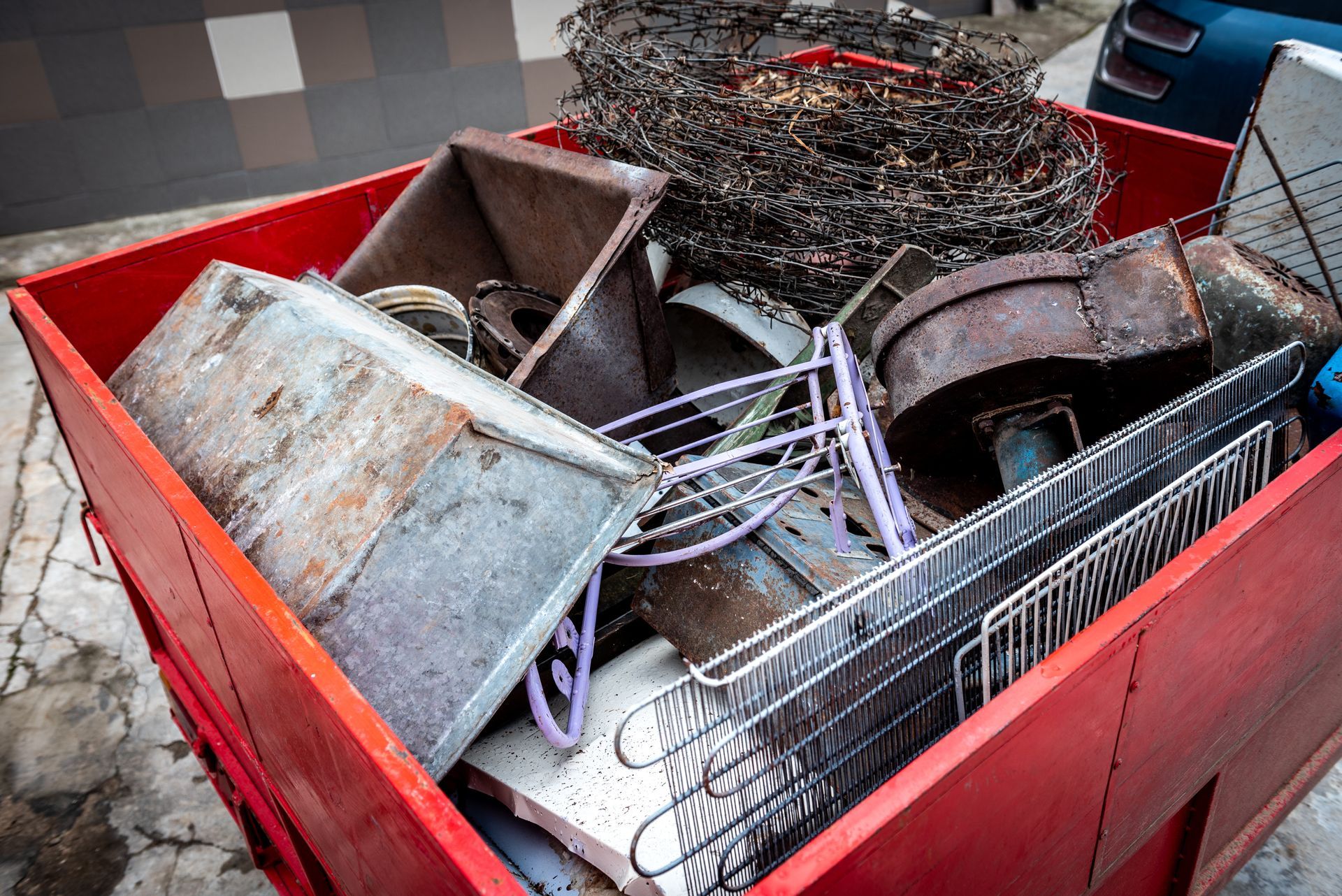
Ferrous metals (magnetic): steel beams, pipes, and structural sections; cast iron machinery parts; sheet metal from appliances, car bodies, and roofing.
Non-ferrous metals (non-magnetic): copper pipes and electrical wiring; aluminium window frames, roofing sheets, and extruded sections; brass plumbing fittings and valves; lead flashing; radiators combining aluminium and copper.
Why Does Separation Matter for Recycling Value?
Sorted metal is processed more efficiently and can return better rates. Mixed loads take longer to assess on arrival, which can slow turnaround for commercial operators. Keeping ferrous and non-ferrous materials in separate loads makes the weighing and valuation process straightforward for everyone.
Non-ferrous metals like copper and brass are particularly valued because they can be remelted with minimal quality loss. Aluminium accumulates quickly on any tradie's vehicle, making it worth separating before a drop-off. Whether you are a one-off domestic customer or a regular commercial operator, sorting is a key part of approaching scrap metal recycling efficiently.
Quick Drop-Off Checklist for the Fyshwick Yard
Before loading your vehicle:
- Run a magnet test to separate ferrous from non-ferrous metals.
- Keep copper, aluminium, and brass in separate containers or bins.
- Remove non-metal attachments where possible, such as plastic fittings or rubber seals.
- Confirm accepted materials by contacting the yard before arrival.
- Bring materials during opening hours, Monday to Friday.
The scrap metal recycling services page outlines the full range of materials accepted at the yard.
Ready to Drop Off Your Scrap Metal?
Jack Martin Scrap Metals is your local destination for straightforward scrap metal recycling in the ACT, accepting a wide range of ferrous and non-ferrous materials from tradespeople, commercial operators, and businesses across Canberra and surrounding regions. To confirm what you can bring or plan your drop-off, get in touch via the contact page or call 0418 628 057 to speak with the team directly.